Social Media Marketing vs Digital Marketing: What Is the Actual Difference?
Ask most business owners in Pakistan what digital marketing means, and a large number of them will start talking about their Facebook page or their Instagram account. They are not wrong to mention those things. But they are describing only one small part of the picture.
Social media marketing and digital marketing are not the same thing. Mixing up the two is one of the most common misunderstandings among business owners, and it leads to real consequences. Businesses end up investing all their time and money into one channel while leaving other valuable opportunities completely untouched.
This article clears up the confusion once and for all. By the end, you will know exactly what each term means, how they relate to each other, and which one your business actually needs.
What Digital Marketing Actually Includes
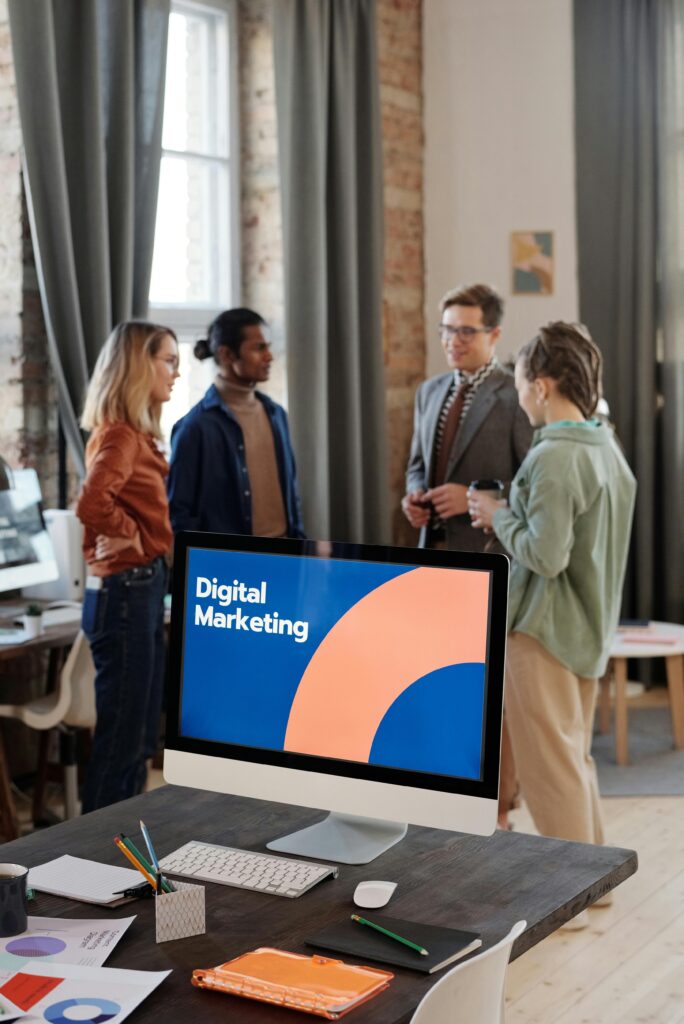
To understand why social media alone is not enough, it helps to see the full range of what digital marketing covers.
- SEO: Getting your website to appear on Google when people search for what you offer. This brings in visitors who are already looking for a solution you provide. If you want to understand what this involves, take a look at our SEO services page.
- Social media marketing: Building your brand, connecting with your audience, and driving traffic through platforms like Facebook and Instagram. Read more about how we approach social media marketing for businesses in Pakistan.
- Pay per click advertising: Running paid ads on Google, Facebook, or YouTube to get immediate visibility and traffic. You pay when someone clicks your ad.
- Email marketing: Staying in touch with customers after they have visited or purchased. This is one of the highest return channels in digital marketing.
- Content marketing: Publishing useful content like blog posts, guides, and videos that build trust and bring in traffic over time.
- Website development: Building a website that is fast, easy to use, and actually converts visitors into customers.
All of these work best when they work together. SEO brings people to your website. Social media builds familiarity and trust. Email marketing keeps them coming back. Paid ads reach people who are ready to buy right now.
The Simple Way to Understand the Relationship
Here is the clearest way to think about it. Digital marketing is the big picture. Social media marketing is one part of that picture.
If digital marketing were a house, social media marketing would be one room inside it. The room is important and you should pay attention to it. But the house has more rooms, and they all matter too.
A study found that 78 percent of small businesses focus almost entirely on social media while ignoring other digital channels that could bring more consistent and higher quality traffic.
Defining Each One Clearly
Digital Marketing | Social Media Marketing | |
What it is | All marketing done through the internet and digital channels | Marketing done specifically through social platforms |
Channels it covers | SEO, paid ads, email, social media, content, websites, and more | Facebook, Instagram, TikTok, LinkedIn, YouTube, and Twitter |
How you reach people | Search engines, ads, emails, organic content across multiple places | Posts, stories, reels, and paid social ads on platforms |
Relationship between them | Social media is one part of digital marketing | A branch of digital marketing, not the whole thing |
The difference is not technical or complicated. It is simply a matter of scope. Digital marketing is the entire approach. Social media is one tool within that approach.
Why Relying Only on Social Media Creates Problems
Social media is a genuinely valuable tool. But treating it as your only marketing channel is a risky approach, and here is why.
First, the platforms control your reach. Facebook and Instagram decide how many of your followers actually see what you post. That number has been falling for years. Today, organic posts on Facebook reach roughly two to five percent of your followers. If you have 1,000 followers and post something, around 30 people might see it without paid promotion.
Second, people on social media are not usually in buying mode. They are browsing, watching videos, and keeping up with friends. People who are actively looking to buy something tend to go to Google. SEO captures that intent in a way that social media simply cannot.
Third, you do not own your social media presence. If a platform changes its algorithm, restricts your account, or shuts down, you lose everything you built there. Your website and your email list are yours. No platform can take those away.
Traffic from Google Search converts into customers at roughly eight times the rate of social media traffic on average, according to industry benchmarks.
When to Use Each One
Different business goals call for different channels. Here is a practical breakdown.
Your Goal | Best Channel to Use | Channels That Support It |
Get leads quickly | Google or Facebook paid ads | A strong landing page |
Build brand awareness | Social media marketing | Content and blogging |
Get long term organic traffic | SEO | Content marketing |
Reach local customers in Lahore | Local SEO and Google Business Profile | Social media |
Sell products online | E-commerce site plus SEO and ads | Social media and email |
No single channel is the right answer for every situation. The best digital marketing strategy picks channels based on your specific goals, your audience, and your budget.
How They Work Together in Practice
The businesses getting the best results from digital marketing are not choosing between social media and other channels. They are using them together.
Here is a simple example of how this works. A business publishes a useful blog post that ranks on Google. People find it through search and land on the website. The post is also shared on social media, reaching a wider audience. People who visited the website but did not buy see a retargeting ad on Facebook. A percentage of them come back and make a purchase. The business then follows up with an email asking for a review or offering a related product.
That is a real, working system. Each channel plays a specific role. Remove any one of them and the system becomes less effective. This is what a proper
digital marketing agency builds for businesses. Not just social media posts scheduled in advance, but a connected strategy where every channel serves a purpose and contributes to the same goal.
The Bottom Line
- Digital marketing is the full approach to marketing your business online
- Social media marketing is one valuable channel within that approach
- Relying only on social media leaves most of your potential customers unreached
- Different goals require different channels, and the best results come from connecting them
- Understanding this difference is the first step to building a marketing strategy that actually works for your business
Frequently Asked Question
Frequently Asked Question
If my business is doing well through social media, do I still need SEO?
Social media can bring in business, and that is great. But it is not stable on its own. Platform algorithms change constantly, and organic reach has been declining for years. SEO brings in traffic from people who are actively searching for what you offer, and that traffic does not disappear overnight because a platform updated its rules. Using both together gives you a much stronger foundation.
Do I need to pay for social media ads or is posting enough?
Posting regularly is still worth doing for brand visibility and community building. But if you want consistent leads and sales from social media, paid ads have become close to essential. Organic reach on most platforms has dropped significantly. A modest ad budget, even PKR 5,000 to 10,000 per month, can make a measurable difference in how many people see your content and visit your website.
What should I look for when hiring a digital marketing agency?
Look for an agency that covers more than just social media. A complete digital marketing agency should offer SEO, web development, paid advertising, and content alongside social media management. Ask to see their previous work. Ask how they measure results. Any agency worth working with should be able to show you clear reporting and explain what they track and why.
Which is more important for a new business, social media or SEO?
For a brand new business with no online presence, social media is usually the faster way to get initial visibility because results can come within weeks. SEO is a longer term investment that builds over months. A smart approach for a new business is to use social media for early visibility while starting SEO work in parallel, so that six months from now you have both channels working for you.